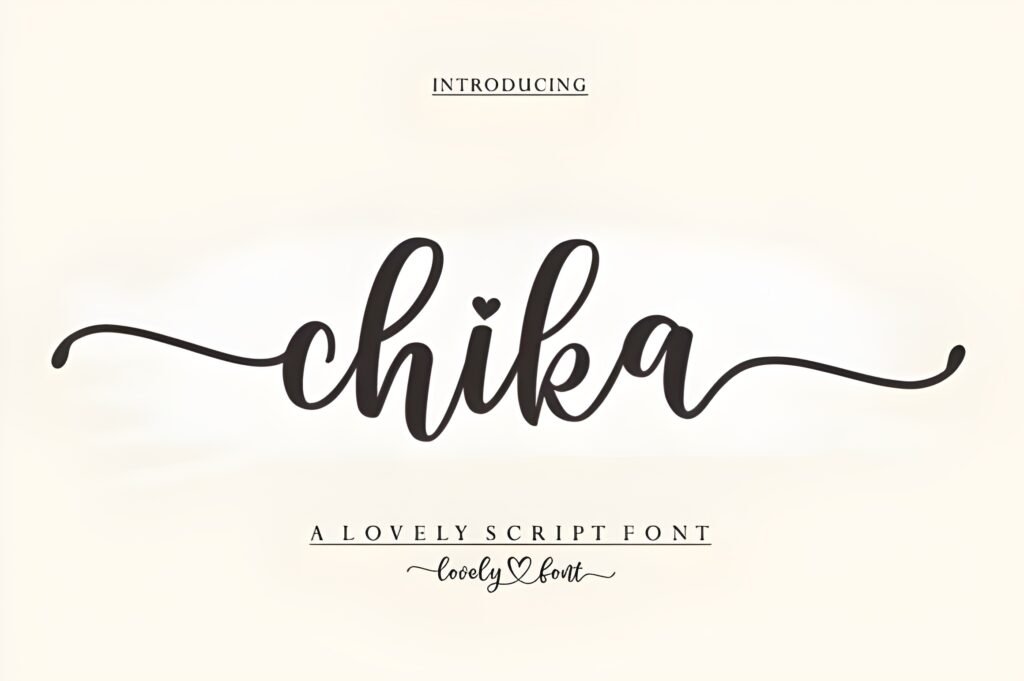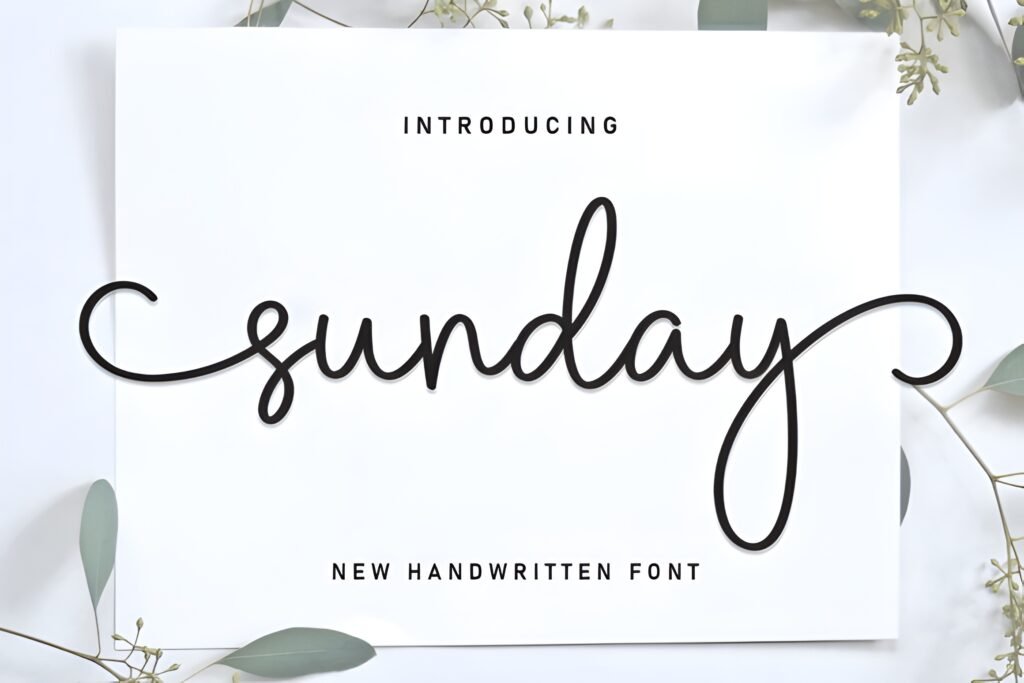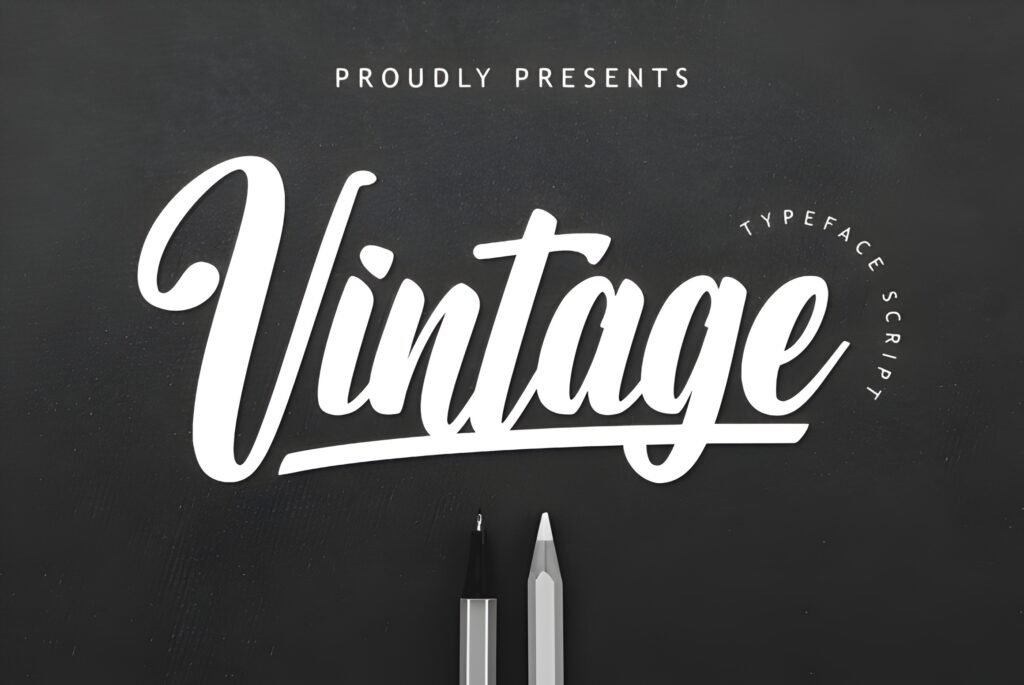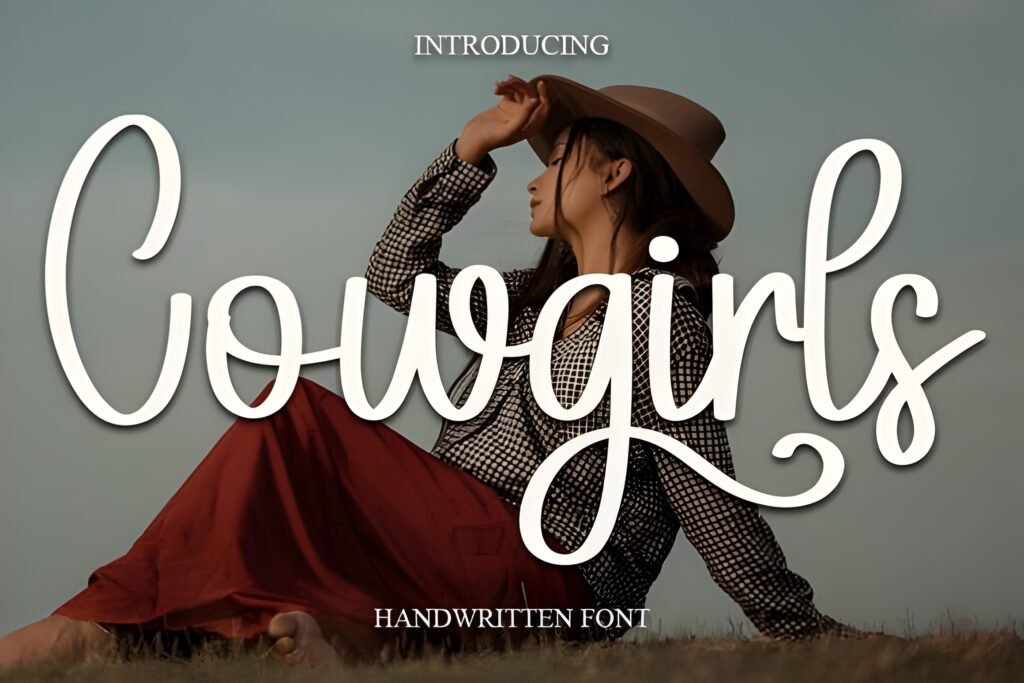
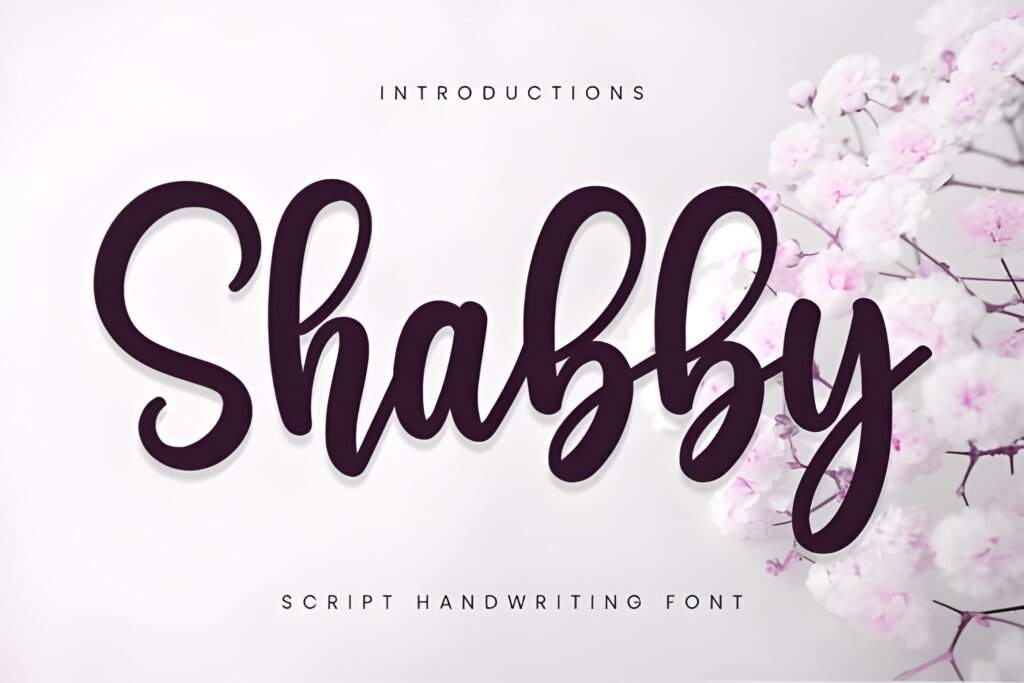
Shabby is a sweet cursive handwritten font designed by YanStudio, characterized by its flowing strokes that evoke the feel of handwriting on a sun-faded letter. It balances a romantic, joyful aesthetic with a casual ease, making it suitable for projects that seek a personal, warm touch without appearing overly formal.
Disclosure: This post contains an affiliate link. We may earn a commission at no extra cost to you.
What Makes Shabby Font Distinctive?
The font features gentle, cursive letterforms that convey a sense of effortless elegance and charm. Its design suggests a natural, hand-penned quality with a subtle vintage feel. The overall texture of the letters hints at imperfection, which adds to its approachable and heartfelt appearance. It is intended for uses where a romantic glow and graceful style are desired.
Best Uses for Shabby Font
Shabby works well for wedding invitations, greeting cards, and branding that aims to communicate warmth and intimacy. It is also appropriate for fashion lookbooks and elegant promotional materials where a handwritten, personal touch enhances the message. Avoid pairing it with fonts named similarly (such as Shabby-14) to prevent style conflicts.
How to Pair Shabby Font
For effective typography hierarchies, consider pairing Shabby as a headline font with a clean, simple sans-serif for subheadings and body text, such as a geometric or humanist sans-serif. Example hierarchy: headline in Shabby, subhead in a medium-weight sans-serif, body in a regular sans-serif. Alternatively, use a neutral serif for body text to add contrast while maintaining a refined look.
Practical Design Tips
Use ample whitespace around Shabby to allow its delicate strokes to breathe and maintain legibility. Scale the font larger for headlines or focal text to highlight its cursive details. When combining with other typefaces, choose ones with minimal contrast and straightforward shapes to avoid visual competition. For layouts like wedding invitations, center-align text blocks to complement the font’s flowing style. In branding, use Shabby sparingly for logos or key phrases to preserve clarity.
Frequently Asked Questions
Is Shabby suitable for long paragraphs of text?
Given its cursive and decorative nature, Shabby is best reserved for headlines, short phrases, or accent text rather than extended body copy to maintain readability.
Can Shabby be used for formal corporate branding?
While it offers a graceful and romantic style, Shabby’s casual handwritten feel may not align with traditional corporate branding that requires a more neutral or formal tone.
What styles of projects benefit most from Shabby’s design?
Projects emphasizing warmth, romance, and personal expression—such as weddings, greeting cards, and fashion promotions—are well suited to Shabby’s handwritten charm.